Community Stories
The First Time Online: What Access Really Means
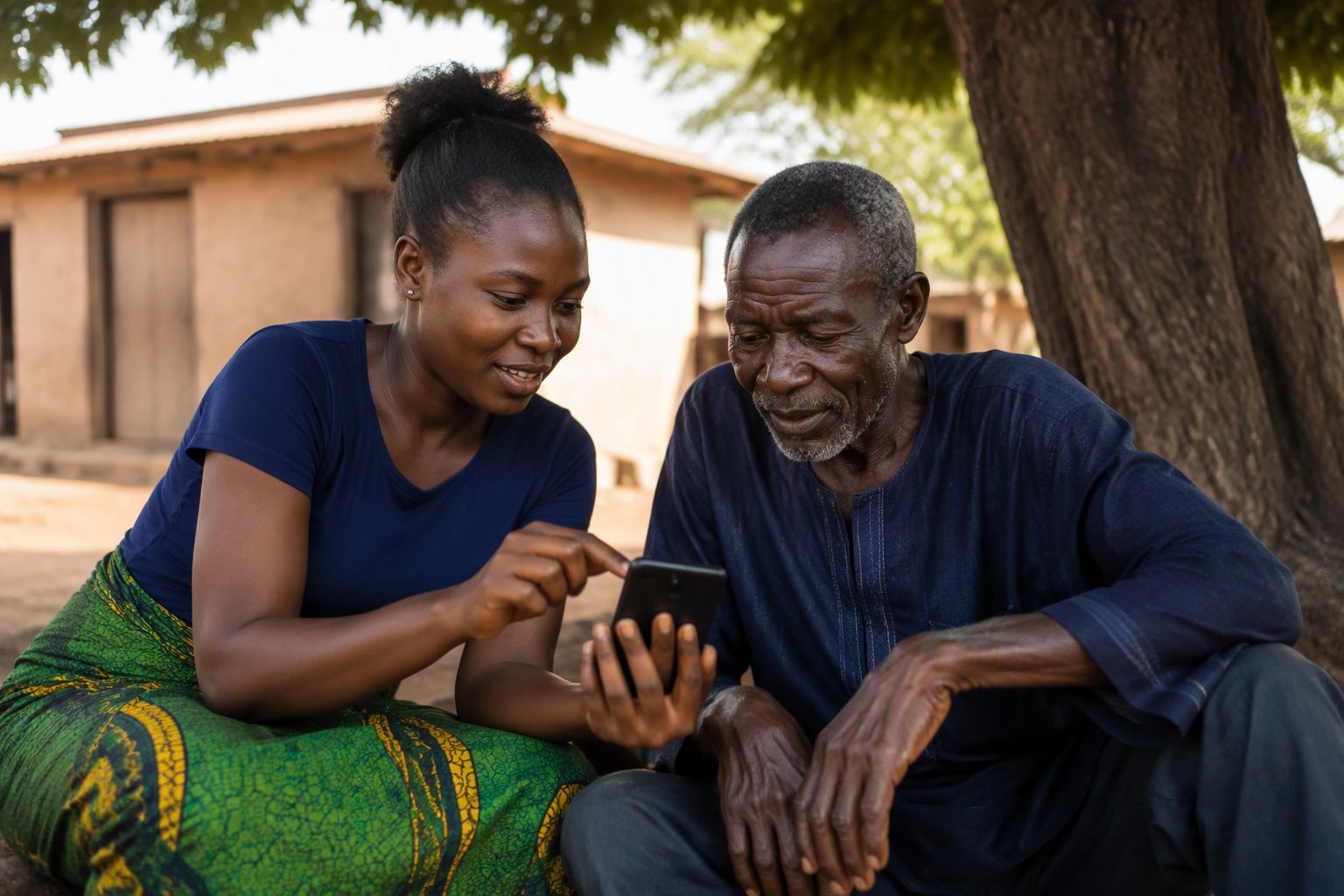
Connectivity statistics count subscriptions. They do not count the moment a grandmother sees her granddaughter’s face on a video call for the first time.
5 min read
Disability & Accessibility
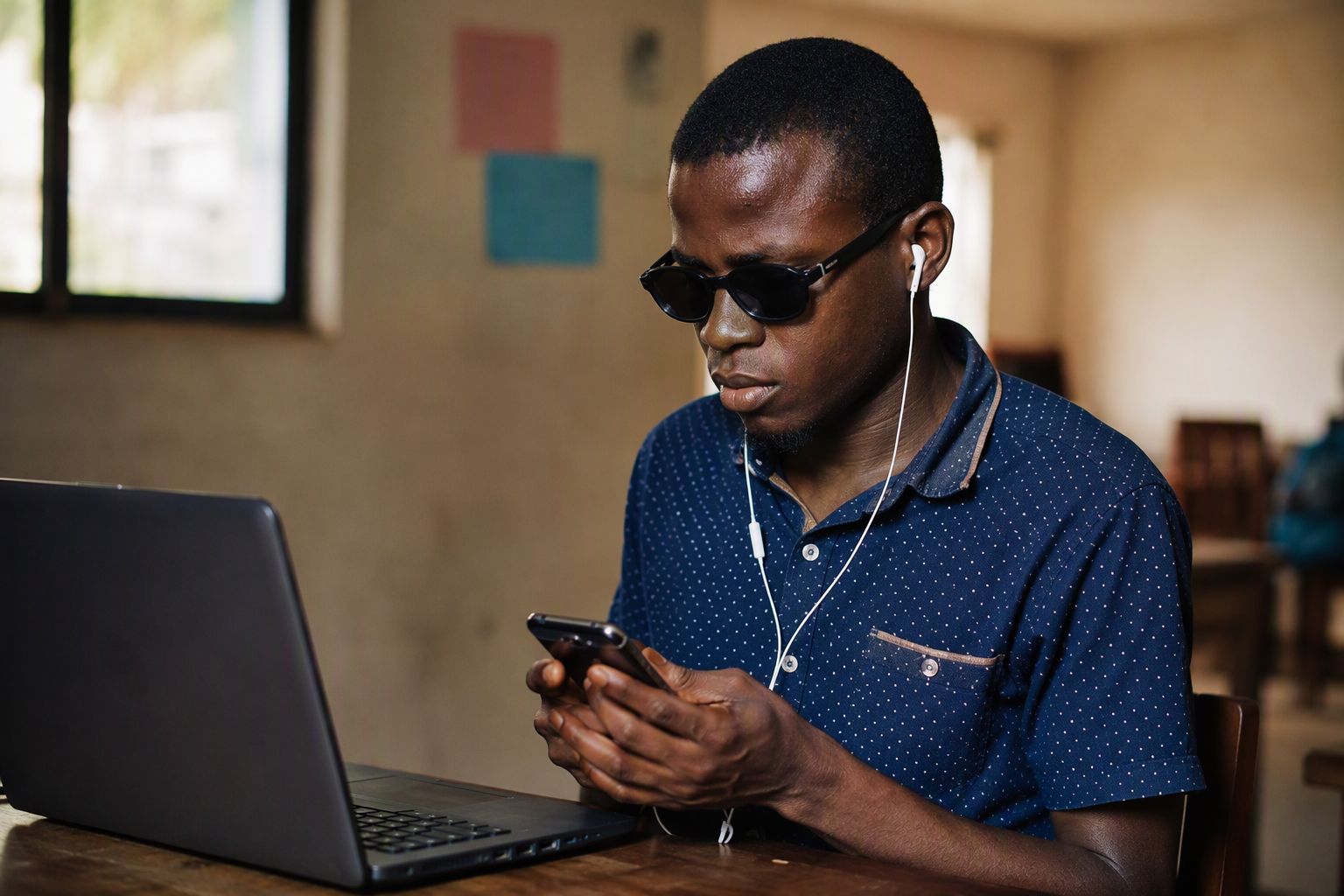
Every ADIA accessibility audit includes testers with disabilities. What they find in ten minutes routinely surprises teams who tested for months.
Automated accessibility checkers are useful, but they catch only a fraction of real barriers. A form can pass every automated test and still be impossible to complete with a screen reader if its error messages are announced in the wrong order, or its focus jumps unpredictably.
That is why ADIA’s audit panels are built around people, not software. Testers who are blind, who have low vision, who navigate by keyboard or switch device, work through real tasks — registering, paying, applying — and narrate where the experience breaks.
The pattern we see again and again: barriers are rarely deliberate. They are the product of teams who never met a user unlike themselves. The fix begins with a seat at the table — in design reviews, in procurement, in policy. Nothing about us without us is not a slogan; it is a testing methodology.
This is an editorial feature written in ADIA’s platform voice. Named beneficiary stories are published only with informed consent.
Back to all storiesKeep reading